-
Module 1: Why Study Demographic Change?
12 Lessons-
StartWhat is Demographic Change?
-
StartWhy Demography Matters
-
StartDemography and Society
-
StartDemography and Economy
-
StartDemography and Governance
-
StartDemography and Security
-
StartDemography and Land, Settlement & Resources
-
StartDemography and Social & Cultural Change
-
StartFrom Local Observation to National-Level Evidence
-
StartWhy Demographic Change Must Be Studied Scientifically
-
StartThe Difference Between Concern, Observation, Evidence and Finding
-
StartWhat a Successful Demographic Study Should Ultimately Deliver
-
-
Module 2: Understanding HLCDC
14 Lessons-
StartWhy the HLCDC Has Been Constituted
-
StartUnderstanding the HLCDC Mandate
-
StartThe 8 Terms of Reference — Simplified
-
StartToR 1: Challenges Arising from Demographic Change
-
StartToR 2: Possible Causes
-
StartToR 3: Underlying Factors
-
StartToR 4: Structural Population Changes
-
StartToR 5: Identification, Detention & Deportation Mechanisms
-
StartToR 6: Border Management, Population Stabilisation & Identification Systems
-
StartToR 7: Centre–State Coordination
-
StartToR 8: Other Appropriate Measures
-
StartConverting Each ToR into Research Questions
-
StartToR → Research Question → Evidence → Finding → Recommendation
-
StartHow to Map a Completed Study to HLCDC ToR
-
-
Module 3: The Demographic Research Mindset
15 Lessons-
StartObservation vs Fact
-
StartClaim vs Evidence
-
StartRumour vs Verifiable Information
-
StartQuestion vs Assumption
-
StartHypothesis vs Conclusion
-
StartPrimary Data vs Secondary Data
-
StartQuantitative vs Qualitative Evidence
-
StartOfficial Record vs Field Statement
-
StartCorrelation vs Causation
-
StartWhat Does “Evidence-Based” Really Mean?
-
StartMultiple-Source Verification
-
StartRecording Uncertainty and Evidence Gaps
-
StartAvoiding Confirmation Bias
-
StartHow to Handle Evidence That Contradicts Your Initial Assumption
-
StartResearch Ethics and Responsible Documentation
-
-
Module 4: What Exactly Are We Studying?
17 Lessons-
StartThe Seven Questions of Every Demographic Study
-
Start(1) Nature: What Exactly Has Changed?
-
Start(2) Extent: How Much, Where and Since When?
-
Start(3) Root Causes: What Factors Are Responsible?
-
Start(4) Methodology & Support System: How Is the Change Occurring?
-
Start(5) Impacts: What Has Changed Because of It?
-
Start(6) Final Interpretation: What Do the Findings Mean?
-
Start(7) Solutions / Recommendations: What Can Be Done?
-
StartDefining the Study Title
-
StartDefining the Study Area
-
StartFixing the Study Period
-
StartDefining Purpose and Objectives
-
StartFraming Research Questions
-
StartSelecting Study Type: Desk / Field / Hybrid
-
StartDefining Expected Output
-
StartAssigning Team Responsibilities
-
StartPreparing the Study Design Sheet
-
-
Module 5: India's Demographic Data Ecosystem
22 Lessons-
StartUnderstanding the Government Data Ecosystem
-
StartCensus of India: What It Can Tell Us
-
StartCensus Tables and Primary Census Abstract
-
StartDistrict Census Handbook
-
StartCivil Registration System
-
StartSample Registration System
-
StartNFHS and Health Data
-
StartMoSPI / NSO Data
-
StartMigration & Labour Data
-
StartEducation Data (UDISE+)
-
StartElectoral Data
-
StartLand & Revenue Records
-
StartPanchayat / Municipal / Local Administration Data
-
StartPolice, Crime and Court Records
-
StartTribal and Forest Department Records
-
StartWelfare Scheme & Administrative Databases
-
StartGIS, Maps and Satellite Data
-
StartRTI as a Route to Official Information
-
StartAcademic Research as Supporting Evidence
-
StartInternational and Think-Tank Sources: When and How to Use Them
-
StartGovernment vs Non-Government Sources
-
StartEvidence Hierarchy
-
-
Module 6: Data Collection, Download & Evidence Management
20 Lessons-
StartHow to Search Government Websites Efficiently
-
StartFinding the Original Source
-
StartReading Metadata
-
StartUnderstanding Publication Year and Data Year
-
StartUnderstanding Definitions and Categories
-
StartUnderstanding Administrative Codes
-
StartUnderstanding District History
-
StartHandling District Boundary Changes
-
StartMatching Historical and Current Geography
-
StartDownloading Data Systematically
-
StartCreating the Research Folder Structure
-
StartFile Naming Convention
-
StartCreating a Source Register
-
StartCreating a Data Dictionary
-
StartRecording Download Date and Source
-
StartPreserving Original Documents
-
StartSeparating Source Files from Working Files
-
StartCreating a Research Evidence Bank
-
StartVersion Control
-
StartData Quality Checklist
-
-
Module 7: Building the Demographic Profile
21 Lessons-
StartWhy District Profiling Comes First
-
StartState → District → Block → Tehsil → GP → Village
-
StartPopulation Profile
-
StartMale–Female Composition
-
StartChild Population
-
StartAge Structure
-
StartSex Ratio
-
StartPopulation Density
-
StartRural–Urban Composition
-
StartLiteracy & Education
-
StartWork & Livelihood
-
StartHousehold Characteristics
-
StartSocial and Community Composition : Using Appropriate Official Categories
-
StartFertility and Vital Statistics
-
StartMigration Indicators
-
StartSettlement Characteristics
-
StartInfrastructure Profile
-
StartHealth Profile
-
StartGovernance & Administrative Profile
-
StartCreating the District Baseline
-
StartCompleting the Level-1 Compilation Template
-
-
Module 8: Analysing Demographic Change
21 Lessons-
StartWhat Is Analysis?
-
StartObservation During Data Compilation
-
StartCensus-Year Comparison
-
StartGeographic Comparison
-
StartVariable-to-Variable Comparison
-
StartAbsolute Change
-
StartPercentage Change
-
StartGrowth Rate
-
StartShare and Proportion
-
StartRatio Analysis
-
StartTrend Analysis
-
StartTime-Series Analysis
-
StartIdentifying Unusual Change
-
StartIdentifying Possible Hotspots
-
StartRed-Spot Identification
-
StartCreating Ranking Tables
-
StartCreating Charts and Graphs
-
StartReading a Demographic Chart Correctly
-
StartIdentifying Data Gaps
-
StartRecording Analytical Observations
-
StartMoving from Level-1 Compilation to Level-2 Analysis
-
-
Module 9: Thematic Analysis, Impact Mapping & GIS
30 Lessons-
StartWhat Is an Impact of Demographic Change?
-
StartSelecting Relevant Impact Dimensions
-
StartImpact Domains
-
StartPopulation Structure & Vital Dynamics
-
StartMigration, Mobility & Displacement
-
StartCommunity & Social Composition
-
StartEconomy, Labour & Livelihood
-
StartLand, Property & Settlement
-
StartEducation & Human Capital
-
StartHealth & Family Welfare
-
StartGovernance & Administration
-
StartLaw, Justice & Identity
-
StartSecurity & Public Order
-
StartPolitics & Representation
-
StartCulture, Language & Heritage
-
StartEnvironment, Resources & Climate
-
StartInfrastructure & Public Services
-
StartRegional & Spatial Balance
-
StartSocial Cohesion & Integration
-
StartTechnology, Future of Work & Strategic Dimensions
-
StartSelecting Indicators for Your State
-
StartLinking Indicators to Data Sources
-
StartCreating an Impact Matrix
-
StartIntroduction to GIS for Demographic Study
-
StartMapping Population Change
-
StartMapping Settlement Change
-
StartMapping Infrastructure and Institutions
-
StartSatellite Imagery and Time-Series Mapping
-
StartCreating a Demographic Hotspot Map
-
StartGIS Evidence: What It Can and Cannot Establish
-
-
Module 10: Field Study Fundamentals
17 Lessons-
StartWhat Is a Field Study?
-
StartWhy Do We Go to the Field?
-
StartDesk Study vs Field Study
-
StartWhen Is Field Verification Actually Required?
-
StartWhat a Field Investigator Does
-
StartWhat a Field Investigator Must NOT Do
-
StartUnderstanding Your Assignment
-
StartReading the Desk Research Brief
-
StartConverting a Research Question into a Field Question
-
StartObservation Without Assumption
-
StartFact vs Local Statement
-
StartEthical Conduct
-
StartPersonal Safety
-
StartConfidentiality and Privacy
-
StartWorking With Different Communities
-
StartWhen Not to Photograph / Record
-
StartWhen to Escalate an Issue
-
-
Module 11: Planning & Conducting Field Investigation
20 Lessons-
StartUnderstanding the Field Assignment
-
StartSelecting the Field Location
-
StartReading the Hotspot Profile
-
StartIdentifying the Evidence Gap
-
StartPreparing the Field Plan
-
StartPreparing the Route
-
StartPreparing the Respondent List
-
StartTypes of Respondents
-
StartPreparing the Questionnaire
-
StartAsking Neutral Questions
-
StartOpen vs Closed Questions
-
StartHousehold/Community Interaction
-
StartKey Informant Interviews
-
StartObservation Checklist
-
StartLocation/GPS Recording
-
StartPhotograph and Video Documentation
-
StartDocument Collection
-
StartField Diary
-
StartDaily Field Review
-
StartEnd-of-Visit Checklist
-
-
Module 12: Field Evidence & Hotspot Study
21 Lessons-
StartWhat Counts as Field Evidence?
-
StartWhat Does Not Count as Evidence?
-
StartPhotograph as Evidence
-
StartVideo as Evidence
-
StartAudio/Interview Evidence
-
StartDocumentary Evidence
-
StartGovernment Records Found Locally
-
StartLand/Property Documents
-
StartPublic Notices and Official Displays
-
StartMapping Physical Locations
-
StartRecording Date, Time and Location
-
StartNaming Evidence Files
-
StartLinking Evidence to a Question
-
StartCross-Checking a Local Statement
-
StartMultiple-Respondent Verification
-
StartRecording Contradictory Statements
-
StartPreparing a Case File
-
StartHotspot Study: Step-by-Step
-
StartThematic Field Study: Step-by-Step
-
StartField Report Preparation
-
StartField Evidence Submission Protocol
-
-
Module 13: Triangulation & Evidence Verification
20 Lessons-
StartWhy One Source Is Not Enough
-
StartWhat Is Triangulation?
-
StartSource-to-Source Verification
-
StartCensus ↔ Civil Registration
-
StartCensus ↔ Electoral Data
-
StartCensus ↔ Health Data
-
StartCensus ↔ Education Data
-
StartLand Records ↔ Satellite Imagery
-
StartAdministrative Records ↔ Field Evidence
-
StartGovernment Records ↔ Academic Literature
-
StartDesk Finding ↔ Field Finding
-
StartConfirming a Finding
-
StartModifying a Finding
-
StartRejecting a Finding
-
StartContradictory Evidence
-
StartEvidence Strength
-
StartEvidence Gap
-
StartCreating the Evidence Matrix
-
StartFinding vs Interpretation
-
StartFinal Evidence Audit
-
-
Module 14: Root Causes, Inference & Impact Assessment
22 Lessons-
StartRevisiting the Seven Questions
-
StartEstablishing the Nature of Change
-
StartEstablishing the Extent
-
StartIdentifying Contributing Factors
-
StartImmediate Cause vs Structural Cause
-
StartPush Factors
-
StartPull Factors
-
StartEconomic Factors
-
StartSocial Factors
-
StartEnvironmental Factors
-
StartInstitutional Factors
-
StartAdministrative Factors
-
StartGeographic Factors
-
StartIdentifying Possible Organised Processes : Only Where Evidence Supports
-
StartAssessing Impacts
-
StartLinking Findings Across Impact Domains
-
StartDistinguishing Cause from Correlation
-
StartBuilding the Cause–Effect Chain
-
StartWriting an Evidence-Based Inference
-
StartWhat We Can Say
-
StartWhat We Cannot Say
-
StartRecording Limitations and Uncertainties
-
-
Module 15: From Research to Report
30 Lessons-
StartWhat Makes a Finding Report-Worthy?
-
StartFrom Finding to Problem Statement
-
StartFrom Problem to Root Cause
-
StartFrom Root Cause to Possible Intervention
-
StartDeveloping Evidence Based Recommendations
-
StartAdministrative Recommendations
-
StartPolicy Recommendations
-
StartLegal Recommendations
-
StartInstitutional Recommendations
-
StartCentre–State Coordination Recommendations
-
StartMonitoring and Prevention Mechanisms
-
StartLinking Recommendations to HLCDC ToR
-
StartStructure of the Final Research Report
-
StartExecutive Summary
-
StartMethodology
-
StartData Sources
-
StartAnalysis
-
StartFindings
-
StartRoot Causes
-
StartImpacts
-
StartInterpretation
-
StartRecommendations
-
StartLimitations
-
StartAnnexures and Evidence Register
-
StartPreparing Tables, Charts and Maps
-
StartPreparing the HLCDC Presentation
-
StartPreparing the Committee Brief
-
StartFinal Quality Control Checklist
-
StartSubmission Ready Report
-
StartWriting Research Paper for Publication Based on Report
-
-
Module 16: Way Forward
5 Lessons
Seema Adhyayan Sansthan Offers

DEMOGRAPHY STUDY
An online course for Researchers, Academicians & Field Volunteers
Understand Demography Change. Study It Scientifically.
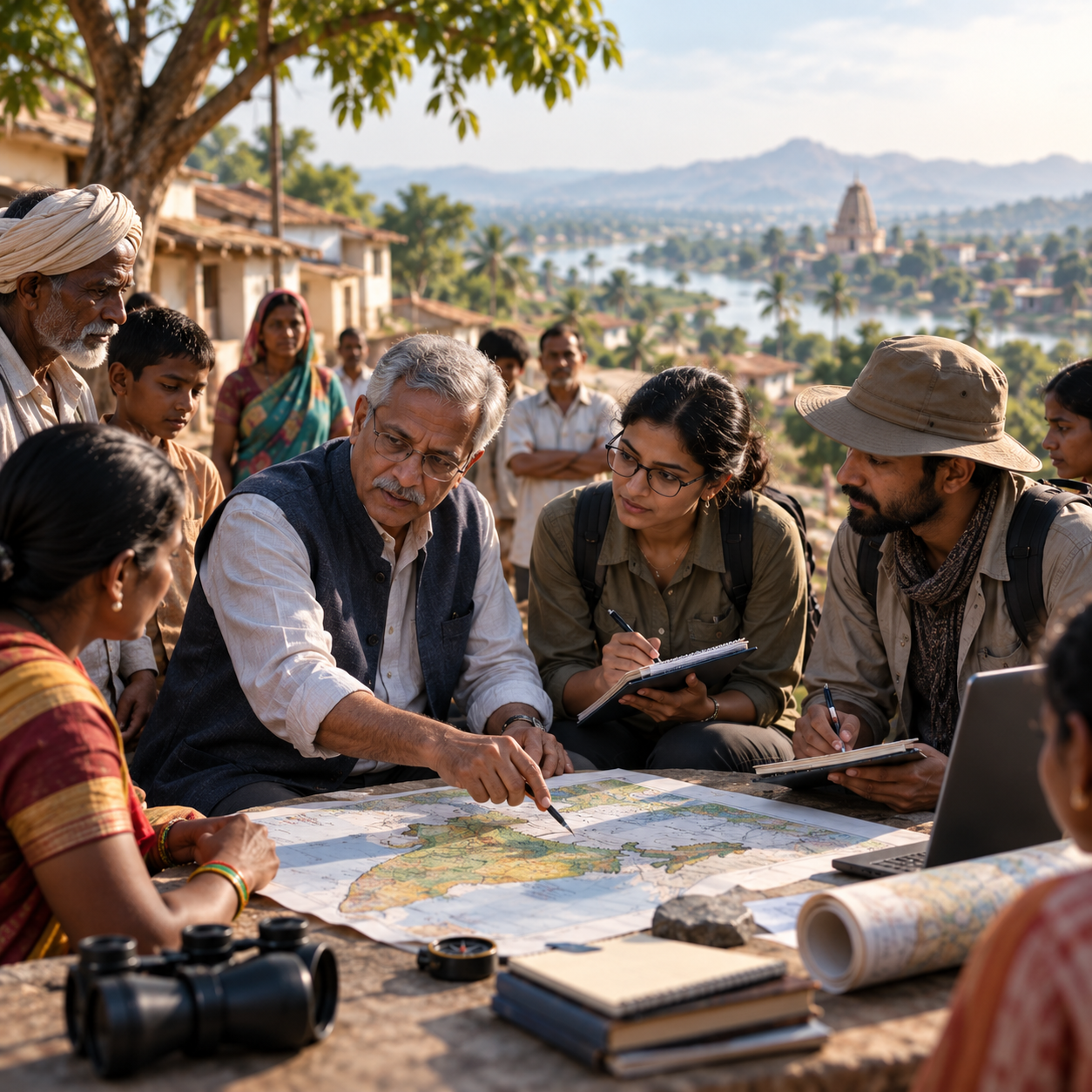
Learn to observe → understand → identify → record demographic change.
WHY DEMOGRAPHY STUDY?
Population is changing. Can you read the various dimensions of the change?
Demographic change is more than population numbers. Learn to understand:
- Why
- What
- How
on Demographic change.
Build the foundation to identify, describe and study demographic change scientifically.

Course Curriculum
Course Outcomes
From Population Change to Demographic Study

1. Conduct a Demographic Study Independently
Learn a practical, step-by-step methodology to plan, conduct and complete a demographic change study without depending on an expert or coach.
2. Find & Use Authentic Government Data
Learn where to find Census, government databases, administrative records, GIS and other reliable sources, and how to collect, organise and document evidence systematically.
3. Turn Data into Meaningful Findings
Go beyond numbers. Learn to compare demographic changes, identify trends and hotspots, analyse impacts, distinguish facts from assumptions, and develop evidence-based interpretations.
4. Conduct Effective Field Investigation
Learn how to convert research questions into field questions, conduct neutral observations and interactions, collect photographs, documents, interviews and location-based evidence, and maintain proper field records.
5. Produce a Professional, Evidence-Based Research Report
Bring desk research and field evidence together through verification and triangulation, identify root causes and impacts, and develop clear findings and recommendations aligned with the Policy and Planning interventions at Govt level.
Learn the foundation. Observe the reality. Begin your study.
Course Fee
Course Fee
14500 INR
-
- Lifetime Access
- Access to Experts' Live Sessions
- Peer Learning through Community
BUILT FOR PEOPLE WHO STUDY PEOPLE
One course. Multiple research journeys.
- RESEARCHERS: Strengthen your foundation for demographic research.
- ACADEMICIANS: Deepen conceptual understanding for teaching and research.
- FIELD VOLUNTEERS: Learn to observe and record demographic realities on the ground.
- RESEARCH ASPIRANTS: Build the foundation for structured demographic study.
Wherever your research begins, start with understanding.
SEEMA ADHYAYAN SANSTHAN

Knowledge. Research. Field Understanding.
- Seema Adhyayan Sansthan (SAS), a Delhi based research institute, is dedicated to systematic study, research, field observation and knowledge creation around India's border regions.
- Demography Study course is one of the online learning resource of Seema Adhyayan Sansthan (SAS).
- SAS research focuses around development, security and conscious generation on border regions of India.
- This "Demography Study" course is designed to create a stronger foundation for those who want to understand demographic realities and study them scientifically.